
Dental cleaning, gum care and dental hygiene: what is the difference?
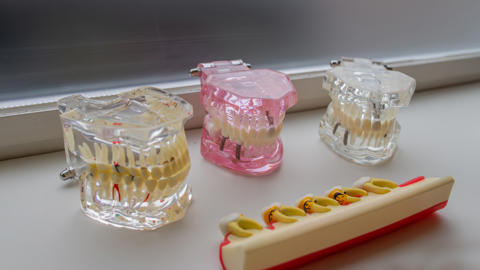
Since announcing the arrival of dental hygienist Brigitte van Bommel, we have received regular questions about the different roles within oral healthcare. Many patients say they are "seeing the hygienist", while in reality they may be attending a dental cleaning appointment with a prevention assistant or periodontal prevention assistant.
This is completely understandable. From a patient's perspective, these appointments can seem very similar. However, there are important differences in training, responsibilities and professional qualifications. At Dovident dental practice, different oral healthcare professionals work closely together to ensure that every patient receives the right care at the right time.
The prevention assistant
A prevention assistant is a dental assistant who has completed additional training in preventive oral healthcare.
At Dovident dental practice, preventive treatments are primarily carried out by Tina Galetta. She focuses on preventive care, professional dental cleaning and supporting patients who need extra attention to maintain their oral health. Donna Sperwer also provides preventive treatments alongside her role as a dental assistant. In addition, patients can receive preventive care from dental hygienist Brigitte van Bommel.
A prevention assistant helps patients maintain healthy teeth and gums. Their work includes removing plaque and tartar, polishing teeth, applying fluoride and providing advice on oral hygiene.
For many patients with healthy gums, routine cleaning appointments are all that is needed to maintain good oral health. During these appointments, the focus is not only on removing tartar. Attention is also given to daily oral hygiene habits. Many dental problems develop because plaque accumulates in areas that are difficult to reach with a toothbrush. Practical advice on brushing, interdental brushes and flossing can help prevent both tooth decay and gum disease.
The periodontal prevention assistant
A periodontal prevention assistant has completed additional training in gum health and periodontal maintenance care.
At Dovident dental practice, Tina Galetta also works as a periodontal prevention assistant and plays an important role in both preventive care and gum health management. Many patients who attend regular dental cleaning appointments or require additional support for their gum health will see her regularly.
These patients often have early signs of gum disease, such as bleeding gums, deeper periodontal pockets or tartar deposits below the gum line. Patients who have previously undergone periodontal treatment also frequently return for ongoing maintenance appointments.
A periodontal prevention assistant provides treatment aimed at maintaining healthy gums and preventing further problems. They work closely with dentists and dental hygienists to help control inflammation and reduce the risk of damage to the gums and supporting bone.
For many patients, the periodontal prevention assistant forms the link between routine preventive care and the more specialised gum treatments provided by a dental hygienist.
The dental hygienist
A dental hygienist completes a four-year bachelor's degree in Dental Hygiene and has broader training and clinical responsibilities within oral healthcare.
From October, Dovident dental practice will welcome dental hygienist Brigitte van Bommel. With more than 35 years of experience and a particular interest in periodontology, she brings additional expertise in dental hygiene and gum care to the practice.
An important difference between a dental hygienist and a prevention assistant is that a dental hygienist can independently carry out examinations and develop treatment plans for dental hygiene and periodontal care.
A dental hygienist is responsible not only for dental cleaning but also for detailed gum assessments, measuring periodontal pockets, evaluating gum health and treating gum disease.
Patients with periodontitis can see a dental hygienist directly for assessment, treatment and ongoing support. Patients are also free to book an appointment with a dental hygienist without first being referred by a dentist.
What are periodontal pockets?
Around every tooth there is naturally a small space between the gum and the tooth surface. This space is known as a periodontal pocket.
When gums are healthy, these pockets are shallow and easy to keep clean. When plaque and bacteria accumulate, the gums can become inflamed. As a result, the pockets may deepen, creating more space for bacteria to spread beneath the gum line.
During a gum examination, the dentist or dental hygienist measures the depth of these pockets using a specialised probe. These measurements provide important information about gum health and help determine whether treatment is required.
Measuring pocket depths is a key part of detecting gum disease. Because gum problems often develop without causing pain, signs of disease may already be present before a patient notices any symptoms.
What are pre-periodontal and periodontal treatment programmes?
When early signs of gum disease are present but there is not yet significant damage to the supporting tissues around the teeth, patients may enter a pre-periodontal treatment programme.
At this stage, treatment focuses on improving oral hygiene, removing plaque and tartar and reducing inflammation. The aim is to prevent the condition from progressing.
When examinations show that periodontitis is present, a more extensive periodontal treatment programme is usually required. In periodontitis, the supporting tissues around the teeth, including the gums and jawbone, have already been affected by long-term inflammation.
Treatment is therefore more comprehensive and aims not only to control the infection but also to preserve as much healthy gum tissue and bone as possible. Even after successful treatment, regular reviews and maintenance appointments remain important. Periodontitis can often be controlled successfully, but it usually requires long-term monitoring and care.
Who will treat me?
That depends on your oral health and the treatment required.
For routine dental cleaning, you will often be seen by a prevention assistant or periodontal prevention assistant. If more extensive gum assessment or treatment is required, an appointment with a dental hygienist may be recommended.
Our dentists remain closely involved in your overall oral health and treatment planning. Together, we ensure that every patient receives the right treatment from the professional best qualified to provide it.
The most important thing to remember is that not every dental cleaning is carried out by a dental hygienist. Every member of our oral healthcare team contributes their own expertise to helping patients maintain a healthy mouth. The professional you see depends not on a job title, but on the care your oral health requires at that particular time.